
Nature-Based Therapy for Life Transitions, Grief & Climate Distress.
If you've ever felt that your grief has been overlooked, dismissed, or misunderstood, or if you're so busy caring for others that you've lost touch with your own needs, I want you to know you're not alone.
During difficult seasons—whether you're facing grief, loss, identity changes, major life transitions, caregiver stress, or climate distress—you deserve a compassionate, collaborative space where you are heard and accepted.
My name is Andréa Desjardins. I'm a registered social worker and psychotherapist in Ontario, dedicated to honouring your story, respecting your pace, and seeing you as the expert of your own life.
Services
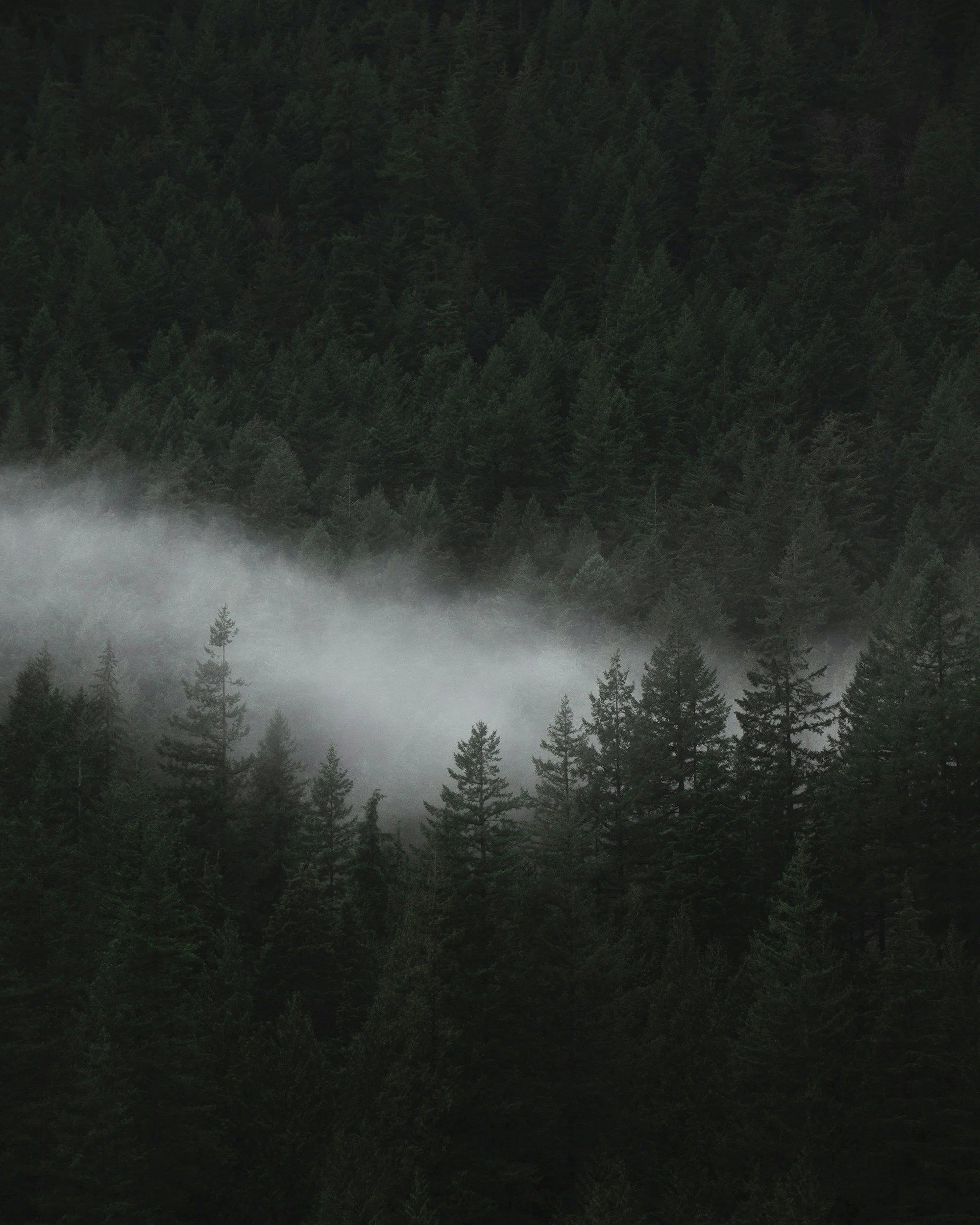
I offer virtual therapy throughout Ontario and nature-based Walk and Talk therapy in Greater Sudbury. Talking while moving or sitting outdoors can feel more natural, less intimidating, and deeply grounding. Nature offers comfort, hope, balance, steadiness, and quiet companionship.
-
Death of a loved one · Companion animal loss · Anticipatory grief · Ambiguous loss · Sudden or traumatic loss
-
Legacy planning · Navigating a life-limiting diagnosis · Emotional support for caregivers · Spiritual and emotional preparation for death
-
Identity shifts · Relationship endings · Perimenopause and menopause · Aging and changing roles
-
Eco-anxiety · Ecological grief · Feeling overwhelmed by environmental collapse and polycrisis
Most sessions take place on our quiet, forested rural acreage with wide, flat, maintained trails. If that location isn’t accessible, we can meet at a nearby conservation area or park. Virtual and indoor sessions are also available. Your comfort, safety, and access needs will always guide our plans.
Life’s difficult seasons can feel isolating and overwhelming, but you don’t have to face them alone. Together, with the Land, we'll co-create a space where your story is heard, witnessed, & honoured.
About Andréa

MSW RSW
Andréa Desjardins
Registered social worker, mum, and settler of Scottish and French descent living and learning in N’Swakamok (Greater Sudbury).
My experiences with "nature" during my own grief and recovery inspired my interest in nature-based therapy and ecosocial work. My practice is based on mutually creating and maintaining space for open, honest, and nuanced conversations about complex and sometimes uncomfortable topics.
My Practice & Approach
-
I follow the ethical standards set out by the Ontario College of Social Workers and Social Service Workers and strive to be anti-oppressive, anti-colonial, anti-racist, gender-affirming, neuroaffirming and culturally responsive. I have been a practicing mental health social worker since 2014, a member of the Ontario Association of Social Workers and the Climate Psychology Alliance of North America.
-
As a mental health peer support worker, I noticed that simply walking side by side made it easier to have meaningful conversations about the hard stuff in life. Later, while working in long-term care, I observed that just a few minutes outdoors could ease the anxiety and loneliness of aging residents, many of whom had dementia.
Now, I collaborate with nature to help people navigate grief, life transitions and climate distress. I draw on research that shows how spending time outdoors can calm the mind, reduce stress, create space for reflection and support a sense of connection and community with both human and nonhuman beings.
-
Over the years, I've learned from my clients how to adapt Walk-and-Talk therapy so that individuals with various abilities and mobility needs can also experience these benefits.
My graduate research prompted me to think deeply about what it means to work ethically in partnership with Anishinaabe Land as a settler, and this reflection continues to guide me.
I continue to engage in professional development through courses and training that deepen my skills.
-
My approach to therapy is warm, collaborative, and person-centred. I believe you are the expert in your own life, and my role is not to "fix" you, but to help you make sense of your experiences, explore new perspectives, and find meaningful, sustainable ways forward.
Together, we'll create a space where you can speak openly, navigate challenges and build on your existing strengths. I honour your unique identity, values, and lived experiences, recognizing that healing happens in relationship with ourselves, with one another, and with the Land.
-
When I’m not working or studying, you might see me walking in the bush with my dog, spending time with family, dabbling in textile crafts, or watching comfort TV shows on my velvet couch.
Fees & PaymentI believe it’s important to be clear about fees and payment before we begin working together. Below you’ll find information about session rates, payment options, insurance, and other details to help you understand what to expect.
-
I offer 60-minute therapy sessions at a standard rate of $170, as well as 30-minute sessions for $85 and 90-minute sessions for $230. This includes Walk-and-Talk, nature-connected office sessions, and virtual sessions.
-
I offer a sliding scale of $50–$170 for those navigating financial barriers. This is offered on an honour system; no documentation is required. If the sliding scale is still out of reach, I reserve a limited number of low-cost spots. Please feel free to reach out to discuss options.
This practice is rooted in collective care. If you are able to pay the full fee, especially if you have access to insurance coverage, your payment helps subsidize sessions for others who may not have the same access.
-
As a Registered Social Worker (MSW RSW), my services are covered by most extended health benefit plans. Please check with your provider to confirm if your plan includes counselling or psychotherapy by a Master’s Level RSW. Receipts are provided for reimbursement.
In Ontario, social work services are also considered a medical expense and may be claimed on your personal income tax return if not covered by insurance.
-
I am an approved Mental Health Counselling Provider through the Non-Insured Health Benefits (NIHB) program, which provides funding for mental health counselling to eligible First Nations and Inuit individuals. Please get in touch with me for more information.
-
This work is rooted in relational accountability. As a settler therapist working on Anishinaabe Land within the Robinson-Huron Treaty territory, I strive to engage ethically with place and practice. That means showing up with humility, honouring Indigenous Sovereignty, and supporting Indigenous Land defence and stewardship.
Since social work services are exempt from sales tax, 5% of all fees is redirected to Indigenous-led organizations engaged in Land defence, environmental justice, and healing work. These reparations are currently shared between:
RAVEN Trust – supporting Indigenous Nations in legal battles to protect their Lands and Rights
Indigenous Climate Action – advancing Indigenous-led climate solutions and environmental justice
Indian Residential School Survivors Society – offering trauma-informed support and healing to survivors and their families
This is a small part of my commitment to material accountability and Land Back. I’m always open to learning about other Indigenous-led organizations to support through voluntary rent, especially local Anishinaabe initiatives doing healing, environmental, or Land rematriation work.
Frequently Asked Questions
-
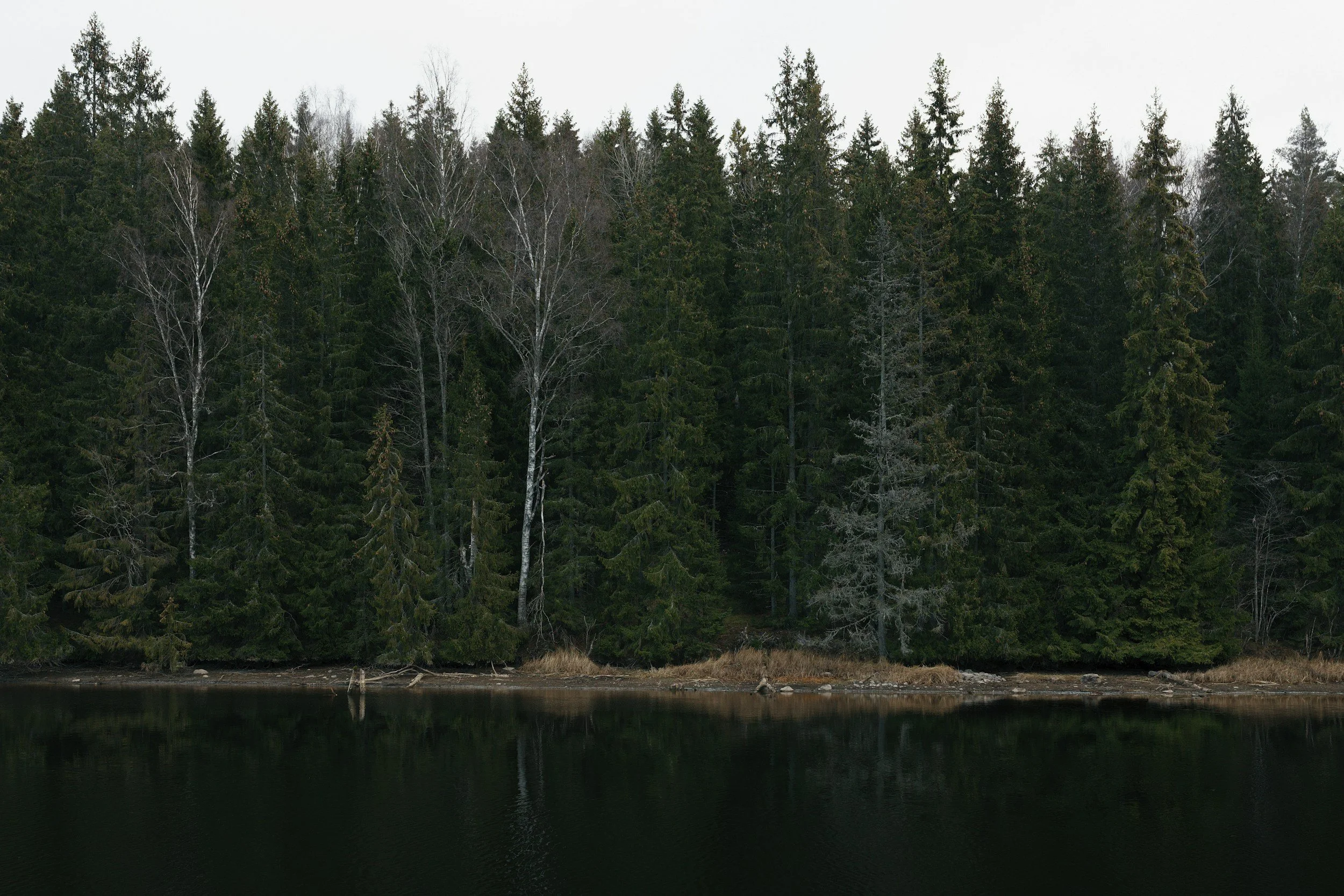
Walk-and-talk therapy brings our session outdoors—into the forest, along a trail, beside the water. We walk side-by-side and talk, or sometimes pause and sit. For many people, this feels more natural and less intimidating than sitting face-to-face. Movement and nature can help ease anxiety, grief, or stuckness. You don’t need to be athletic or outdoorsy. This is about connection, not performance.
-
You don’t have to walk far or fast. Trails I use are wide and relatively flat. If walking isn’t accessible or comfortable, we can adapt and sit in a quiet spot, stay close to the trailhead, or meet at a park with benches and paved paths. Your safety and comfort always come first. We’ll discuss location and accessibility during your free consult.
-
That’s very normal. We choose locations together, and I prioritize your sense of privacy and security. If we pass others, we can pause or shift the conversation. If you prefer, I also offer virtual sessions from the comfort of your home. There’s no pressure to do it any one way.
-
Your confidentiality is just as important outdoors as it is indoors. We choose locations and times that minimize interruptions. If we pass others, we might pause the conversation briefly or switch topics. We can also agree on ways to navigate these moments in advance, so you always feel safe and in control.
-
My approach is grounded in relational, trauma-informed, culturally responsive, and ecocentric values. I understand healing as deeply connected to land, community, and broader systems. As a White settler therapist, I strive to practice with humility and accountability on Indigenous Land. This includes material commitments such as redistributing a percentage of session fees to Indigenous-led organizations in support of Land Back movements.
I also honour that many nature-based practices have roots in ancient traditions from diverse nations and continue to be living, active parts of many Indigenous and non-Western cultures—despite ongoing colonialism and oppression. I do NOT use or appropriate Indigenous ceremonies or practices in my work.
-
I work with people navigating many forms of grief and transition, including:
Death of a loved one
Ambiguous loss
Companion animal loss
Pregnancy loss and post-abortion care
Perinatal mental health challenges
End-of-life planning and anticipatory grief
Ecological distress and climate grief
Identity shifts, caregiving, and major life changes
If you're not sure whether your experience "qualifies," you are welcome here. We can explore together whether this space feels right for you.
-
We keep an eye on the forecast together and decide if it feels safe and comfortable to meet outside. If the weather is extreme—very cold, stormy, or unsafe—we can reschedule or switch to a virtual session. Otherwise, sessions continue in all seasons, in light rain, snow, or chill. Layers, weather-appropriate footwear, and anything that helps you feel comfortable and grounded are encouraged. I’ll always check in ahead of time to make sure you feel prepared and may be able to provide some supplies and gear.
Contact
Interested in working together? Have more questions? Fill out some information, and I will be in touch within 24 hours.
Please note: this is not an emergency or crisis service. If you are in immediate distress or need urgent support, please contact one of the resources below:
Crisis and Support Lines
Talk Suicide Canada (24/7)
1-833-456-4566 or talksuicide.caHope for Wellness Helpline (24/7, for Indigenous Peoples)
1-855-242-3310 or hopeforwellness.caNISA Warm Line (peer support for Northern Ontario, 6pm–12pm daily)
1-866-856-9276YouthLine (for 2SLGBTQ+ youth in Ontario)
1-800-268-9688 or youthline.caKids Help Phone (national, all ages)
1-800-668-6868 or text CONNECT to 686868Emergency Services
Consider calling 911 or going to your nearest emergency room if you are in danger or need immediate medical attention.
Take your time. Reach out when you’re ready—I’ll be here.